
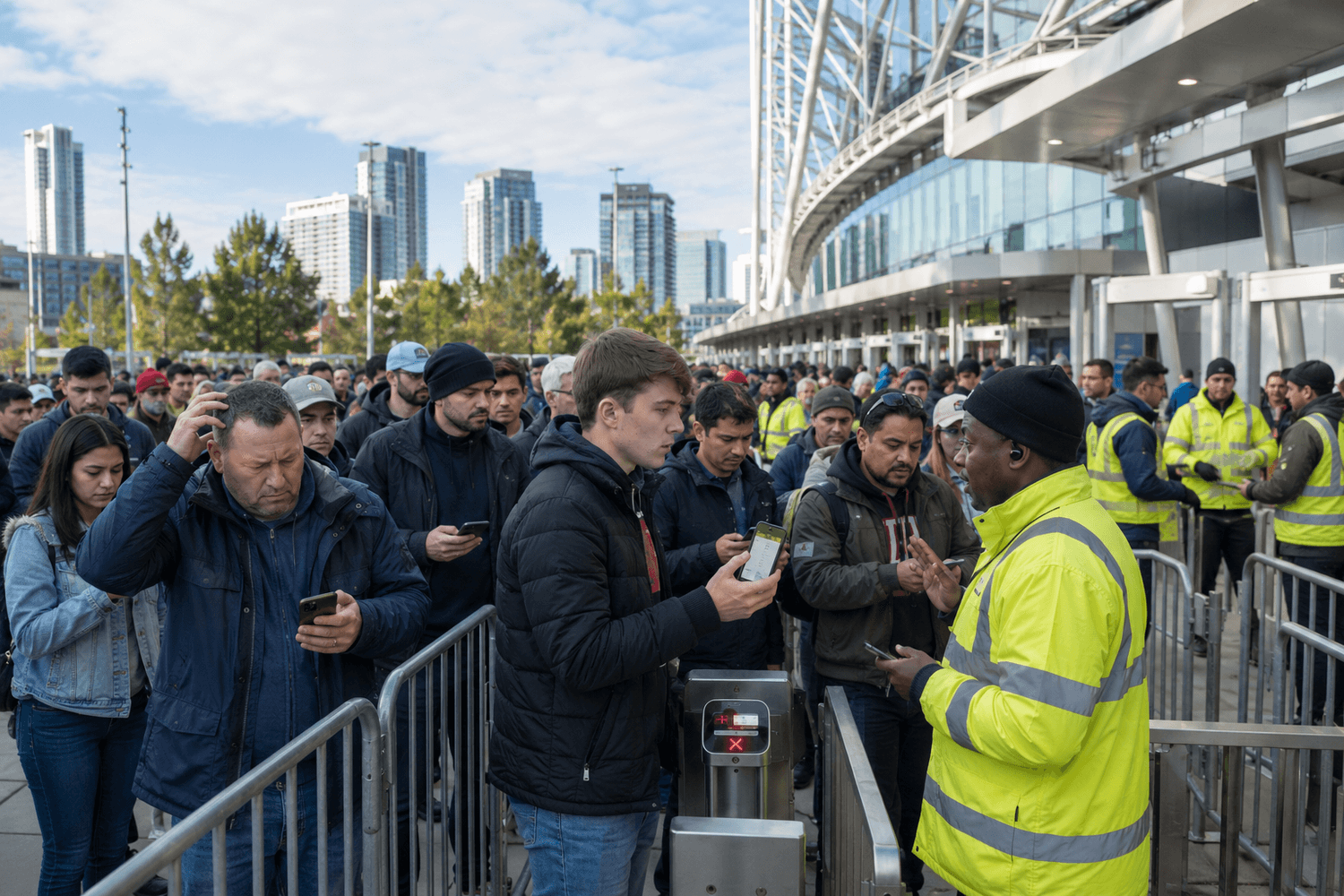
Ticket problems around major football events are no longer a side issue for fans.
They are becoming part of the matchday experience itself, shaping who gets in, how much they pay, and what they must do before they reach the turnstile.
The latest concerns have included fans reporting failed or delayed transfers from resale platforms during the 2026 World Cup, with FIFA saying only tickets bought through official channels are guaranteed. Separate reports around England’s World Cup match against Croatia described claims of ticketless entry and confusion at barriers, although FIFA said it had no indication of unauthorised access.
Football Is Changing. Understand Why.
A clear look at the decisions reshaping the modern game, from tournament planning and fan access to the systems changing football on and off the pitch.
Explore the Book
Ticketing is now part of the football product
For supporters, the issue is bigger than one queue, one app or one fixture. Major football events now depend on digital tickets, official resale systems, mobile apps, account registration, transfer rules, identity checks and timed entry guidance.
FIFA’s published matchday guidance states that supporters need a valid ticket available through the World Cup mobile ticketing app to enter a stadium, while UEFA guidance for the 2026 Champions League final says ticket holders may need to complete personal details that could be used for ID checks at the stadium.
Plan Tournament Travel
Flight comparison can help travelling supporters estimate costs before committing to major fixtures and host-city weekends.
 Compare Flight Options
Understand Football’s Future
A practical guide to the forces reshaping the modern game, including fan access, tournament planning and commercial pressure.
Explore the BookPricing is harder to understand
Pricing is also becoming harder for fans to understand. Published ticketing information for recent major finals has shown wide ranges between entry-level seats, premium locations and hospitality packages. UEFA said public tickets for the 2026 men’s Champions League final started from €70, while World Cup ticket availability and resale prices have varied sharply by host city, team and demand.
Organizers say these systems help manage safety, prevent fraud, control transfers and protect official ticket supplies. Fans, however, can experience the same systems as extra uncertainty. A ticket may now depend not only on payment, but on an account being verified, a transfer being accepted, an app working, a phone battery lasting and entry rules being followed correctly.
Supporters are being sorted before kick-off
That changes how supporters plan. Fans travelling to major matches may need to check official ticket sources, understand resale limits, keep personal details up to date, transfer guest tickets early and arrive with enough time for additional checks. Buying from unofficial or third-party sellers can carry added risk if the ticket cannot be delivered, transferred or accepted under event rules.
The broader message is that football’s biggest events are becoming more controlled and more segmented. Supporters are being sorted by price category, ticket channel, account status, hospitality access, identity requirements and stadium entry process long before kick-off.
The fix is not just more technology
What happens next is likely to depend on whether organizers can make these systems feel simpler and more reliable. Clearer guidance, stronger resale protections, better app performance and more transparent pricing could reduce confusion.
Without that, ticketing may continue to dominate the conversation around major fixtures before the football begins.

Daniel Mercer
Daniel Mercer covers football through the lens of match context, player welfare, tournament planning and the decisions that shape the modern game. His briefings focus on what matters beyond the scoreline, helping readers understand the practical and human side of football’s biggest stories.
Disclosure: This page may contain sponsored or affiliate links. Football Briefing Daily may earn a commission if you click or buy through qualifying links, at no extra cost to you.